
Step into the future with Home Automation for Smart Appliances, where convenience meets innovation in every corner of your home. This captivating technology is reshaping how we interact with our living spaces, promising a seamless blend of comfort and efficiency.
Explore the endless possibilities that smart appliances offer, from simplifying everyday tasks to optimizing energy consumption, all at the touch of a button.
Home Automation for Smart Appliances
Home automation involves the use of technology to control and automate household systems and appliances, providing convenience, energy efficiency, and security.
Examples of Smart Appliances
- Smart Thermostats: Devices that can be controlled remotely to adjust the temperature in your home for optimal comfort and energy savings.
- Smart Lighting: Lights that can be turned on/off or dimmed using a smartphone or voice commands.
- Smart Security Cameras: Cameras that provide real-time monitoring and alerts for enhanced home security.
- Smart Refrigerators: Refrigerators that offer features like inventory tracking, recipe suggestions, and energy usage monitoring.
Benefits of Integrating Smart Appliances
Integrating smart appliances into a home automation system offers several benefits, including:
- Convenience: Control appliances remotely, set schedules, and automate tasks for a more efficient home.
- Energy Efficiency: Monitor and optimize energy usage to reduce utility bills and environmental impact.
- Security: Enhance home security with features like remote monitoring, motion detection, and alerts.
- Comfort: Customize settings for lighting, temperature, and other appliances to create a comfortable living environment.
Smart Appliances for Everyday Tasks
Smart appliances make everyday tasks easier and more efficient by:
- Providing remote access to control and monitor appliances from anywhere.
- Automating repetitive tasks like turning off lights or adjusting the thermostat based on your preferences.
- Offering energy-saving features that help reduce overall energy consumption.
- Enhancing safety and security with features like remote monitoring and motion detection.
Home Accents
Home accents play a crucial role in interior design by adding personality, style, and visual interest to living spaces. They help tie the room together, create a cohesive look, and enhance the overall ambiance of the home.
Popular Home Accents
- Throw pillows and blankets: These can add color, texture, and coziness to a room.
- Wall art: Paintings, prints, or photographs can serve as focal points and reflect the homeowner’s taste.
- Rugs: Area rugs can define spaces, add warmth, and introduce pattern or color.
- Candles and diffusers: These not only add fragrance but also create a cozy atmosphere.
Complementing Smart Appliances
Home accents can complement smart appliances in a modern home setting by balancing the sleek, high-tech look of the appliances with softer, more personal touches. For example, a minimalist kitchen with smart stainless steel appliances can be warmed up with wooden accents like cutting boards or shelves.
Choosing the Right Home Accents
- Consider the existing color scheme and style of the room when selecting home accents.
- Mix and match textures, patterns, and materials for visual interest.
- Don’t overcrowd the space with accents; less is often more when it comes to decorating.
- Personalize the space with accents that reflect your personality and interests.
Home Makeover
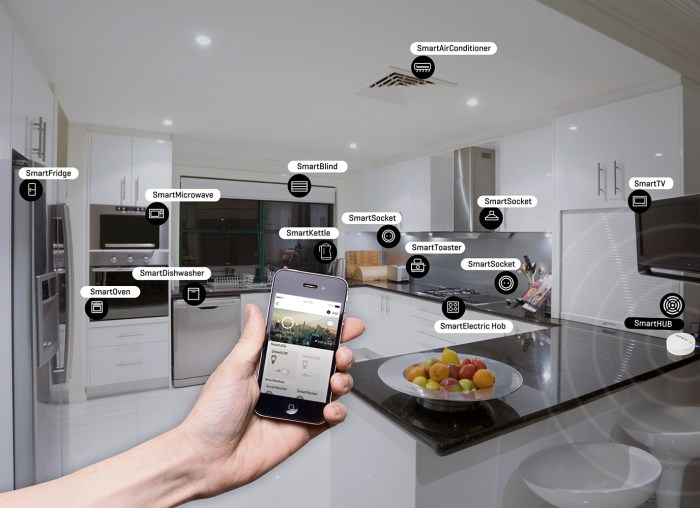
Embarking on a home makeover project can completely transform the look and feel of living spaces, creating a fresh and updated environment for homeowners to enjoy. From simple decor changes to major renovations, a home makeover allows individuals to personalize their space and enhance its functionality.
Integration of Smart Appliances
Integrating smart appliances into a home makeover project can elevate the overall efficiency and convenience of the living space. These technologically advanced devices not only add a touch of modernity but also offer practical benefits such as energy savings, remote control capabilities, and enhanced automation.
- Before-and-After Examples:
One example of a home makeover that included smart appliances is a kitchen renovation where traditional appliances were replaced with smart counterparts. The introduction of a smart refrigerator, oven, and dishwasher not only modernized the space but also improved functionality through features like voice control and energy monitoring.
Tips for Planning a Successful Home Makeover
- Research Smart Technology Options:
- Consider Compatibility:
- Set a Budget:
- Consult with Professionals:
Before starting your home makeover project, research the latest smart technology options available in the market. This will help you identify appliances that best fit your needs and preferences.
Ensure that the smart appliances you choose are compatible with each other and with any existing smart home systems you may have. This will streamline the integration process and enhance the overall functionality of your smart home.
Establish a budget for your home makeover project, including the cost of smart appliances. This will help you prioritize expenses and make informed decisions throughout the renovation process.
If you’re unsure about the technical aspects of integrating smart appliances into your home, consider consulting with professionals such as interior designers or smart home experts. Their expertise can help you make the most of your smart technology investments.
Home Office
In today’s work-from-home culture, having a dedicated home office space is essential for productivity and focus. A well-designed home office can enhance comfort, organization, and efficiency, ultimately leading to better work outcomes.
Importance of Home Office
- A home office provides a designated space for work, separating professional responsibilities from personal life.
- Having a dedicated workspace can help establish a routine and boundaries, leading to improved work-life balance.
- Eliminating distractions from other areas of the home can boost productivity and concentration.
Smart Appliances for Home Office
- Smart lighting systems that adjust brightness and color temperature can create a conducive work environment and reduce eye strain.
- Voice-controlled assistants like Amazon Alexa or Google Assistant can help with reminders, scheduling, and research tasks.
- Smart thermostats can maintain a comfortable temperature throughout the day, optimizing energy usage and creating a pleasant working environment.
Designing a Smart Home Office
- Position your desk near natural light sources to boost mood and productivity.
- Invest in ergonomic furniture to promote good posture and prevent discomfort during long work hours.
- Consider using smart plugs to control electronics remotely and save energy when not in use.
- Create a clutter-free space with adequate storage solutions to keep your home office organized and efficient.
Home Office Furniture
Creating a comfortable and productive home office environment is crucial for those who work remotely. One key aspect of this setup is the selection of ergonomic home office furniture.
Ergonomic furniture is designed to support the body in a way that promotes good posture, reduces strain on muscles, and minimizes the risk of repetitive strain injuries. By investing in ergonomic furniture, individuals can enhance their health and overall productivity while working from home.
Smart Furniture Designs
Smart furniture designs are revolutionizing the way home offices are set up. These innovative pieces incorporate technology and automation to provide added convenience and functionality to users. For example, desks with built-in charging stations or adjustable heights can cater to the needs of modern professionals.
Multifunctional Home Office Furniture
- Convertible standing desks that can also be used as traditional sitting desks.
- Storage ottomans that double as seating options and provide additional storage space.
- Filing cabinets with integrated whiteboards or bulletin boards for organization and note-taking.
Selecting the Right Home Office Furniture
When choosing home office furniture, consider the following tips to create an efficient and comfortable workspace:
- Measure the available space to ensure furniture fits appropriately.
- Invest in a quality ergonomic chair that provides proper back support.
- Opt for adjustable desks or tables to accommodate different working preferences.
- Choose furniture pieces with built-in storage solutions to keep the workspace organized.
In conclusion, Home Automation for Smart Appliances is more than just a trend; it’s a lifestyle upgrade that promises a smarter, more sustainable way of living. Embrace the future today and experience the convenience and luxury of a fully automated home.
Q&A
What are some common smart appliances used in home automation?
Some common smart appliances include smart thermostats, smart lighting systems, smart security cameras, and smart kitchen appliances.
How do smart appliances enhance everyday tasks?
Smart appliances streamline tasks by providing remote access, automation, and energy efficiency features, making daily routines more convenient and efficient.
Can smart appliances help save on energy costs?
Yes, smart appliances are designed to optimize energy usage, which can lead to cost savings on electricity bills over time.
What is the significance of integrating smart appliances into a home makeover project?
Integrating smart appliances in a home makeover not only adds a modern touch but also enhances functionality, convenience, and the overall aesthetic of the living space.
How can smart appliances contribute to a productive home office setup?
Smart appliances in a home office can improve productivity by automating tasks, creating a comfortable work environment, and providing seamless connectivity for efficient workflow.


