
As Home Automation for Energy Efficiency takes center stage, this opening passage beckons readers into a world crafted with good knowledge, ensuring a reading experience that is both absorbing and distinctly original.
In today’s fast-paced world, the focus on energy efficiency has never been more crucial. Learn how home automation can revolutionize the way you conserve energy and reduce your carbon footprint.
Home Automation for Energy Efficiency
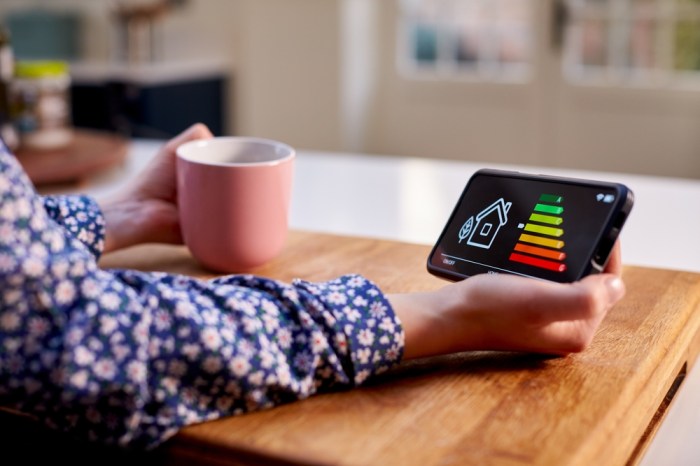
Home automation for energy efficiency involves the use of smart devices and technology to monitor and control energy consumption in a household. By automating various systems and appliances, homeowners can optimize energy usage, reduce waste, and lower utility bills.
Examples of Smart Devices for Energy Savings
- Smart thermostats: These devices can learn your heating and cooling preferences, adjust temperatures based on occupancy, and optimize energy usage.
- Smart lighting systems: These systems can automatically turn off lights when not in use, adjust brightness levels, and even be controlled remotely through a smartphone.
- Smart plugs: By using smart plugs, you can schedule the operation of appliances, monitor energy usage, and turn off devices remotely to prevent standby power consumption.
Benefits of Home Automation for Energy Conservation
- Increased energy efficiency: By automating energy-consuming devices, homeowners can reduce wastage and optimize usage, leading to lower energy bills.
- Convenience and comfort: Smart devices offer convenience in controlling home systems remotely and can create personalized settings for comfort and convenience.
- Environmental impact: By reducing energy consumption, home automation systems contribute to a greener environment by lowering greenhouse gas emissions.
Home Accents
Incorporating energy-efficient home accents is a great way to enhance the sustainability of your living space while reducing energy consumption. One key aspect to consider is the role of lighting fixtures in achieving energy efficiency, as well as choosing sustainable materials for home accent pieces.
Role of Lighting Fixtures
- Opt for LED bulbs: LED lights are more energy-efficient and last longer than traditional incandescent bulbs, helping you save on electricity costs.
- Install dimmer switches: Dimmer switches allow you to adjust the brightness of your lights according to your needs, reducing energy usage when full brightness is not required.
- Use natural light: Maximize natural light during the day by opening curtains or blinds to reduce the need for artificial lighting, further saving energy.
Choosing Sustainable Materials
- Opt for eco-friendly materials: Choose home accent pieces made from sustainable materials such as bamboo, reclaimed wood, or recycled glass to reduce your carbon footprint.
- Look for energy-efficient certifications: When selecting lighting fixtures or decorative items, check for energy-efficient certifications like ENERGY STAR to ensure they meet high environmental standards.
- Repurpose items: Get creative and repurpose old items into new home accents to give them a new life and prevent unnecessary waste.
Home Makeover
When it comes to improving energy efficiency in your home, a makeover can make a significant impact. By incorporating energy-efficient upgrades during a renovation, you can not only enhance the aesthetics of your living space but also reduce your energy consumption and utility bills.
Importance of Insulation
Proper insulation is crucial for maintaining a comfortable indoor temperature and reducing the load on your heating and cooling systems. By investing in high-quality insulation for your walls, attic, and floors, you can prevent heat loss during the winter and keep cool air inside during the summer.
Upgrading Windows and Doors
Old, drafty windows and doors can be a major source of energy loss in a home. By replacing them with energy-efficient models that are well-sealed and insulated, you can minimize air leakage and improve the overall energy efficiency of your living space.
Utilizing Smart Technologies
Integrating smart technologies, such as programmable thermostats, smart lighting systems, and automated shades, can help optimize energy use and reduce wastage. These systems allow you to control and monitor your home’s energy consumption more effectively, leading to significant savings in the long run.
Home Office
Having a home office that is both energy-efficient and conducive to productivity is essential for remote workers. Implementing home automation can significantly enhance energy efficiency in a home office setup, leading to cost savings and a reduced environmental impact.
Setting up a Sustainable Home Office Environment
- Invest in energy-efficient lighting options such as LED bulbs, which consume less electricity and have a longer lifespan.
- Use smart power strips to eliminate standby power consumption by automatically turning off devices when not in use.
- Opt for energy-efficient equipment such as laptops, monitors, and printers with high Energy Star ratings.
- Utilize natural light by positioning your workspace near windows to reduce the need for artificial lighting during the day.
Impact of Energy-Efficient Technology on Productivity
Energy-efficient technology not only benefits the environment but also positively impacts productivity in a home office. By reducing distractions related to high energy consumption and promoting a comfortable work environment, energy-efficient solutions can contribute to increased focus and efficiency.
Home Office Furniture
When setting up a home office, it is important to consider not only the functionality and aesthetics of the furniture but also its energy efficiency. By selecting the right pieces, you can create a workspace that promotes productivity while minimizing energy consumption.Ergonomic furniture plays a crucial role in promoting energy conservation in a home office. By providing proper support and comfort, ergonomic chairs and desks can help prevent fatigue and discomfort, allowing you to work efficiently for longer periods without the need for excessive breaks or adjustments.
This ultimately leads to a more energy-efficient work environment.
Selecting Energy-Efficient Furniture
When choosing furniture for your home office, opt for pieces made from sustainable materials such as bamboo or reclaimed wood. These materials are not only environmentally friendly but also durable and long-lasting, reducing the need for frequent replacements. Additionally, look for furniture with energy-saving features such as built-in LED lighting or power outlets with energy-efficient technology.
- Consider investing in a standing desk that allows you to alternate between sitting and standing positions, reducing the strain on your body and promoting better circulation.
- Choose furniture with adjustable components such as height, tilt, and lumbar support to customize your workspace according to your comfort and ergonomic needs.
- Look for furniture with minimalistic designs and compact sizes to maximize space efficiency and minimize energy consumption during manufacturing and transportation.
Organizing a Home Office Space
To optimize energy efficiency in your home office, organize your workspace in a way that maximizes natural light and ventilation. Position your desk near a window to take advantage of daylight and reduce the need for artificial lighting during the day. Use light-colored furniture and décor to reflect natural light and brighten the room.
Remember to unplug electronic devices and chargers when not in use to prevent phantom energy consumption and reduce your electricity bill.
- Keep your workspace clutter-free and organized to improve airflow and prevent overheating of electronic equipment such as computers and printers.
- Use energy-efficient LED task lighting to illuminate your work area without consuming excessive energy. Consider installing sensor-controlled lighting to automatically adjust brightness based on natural light levels.
- Position your office equipment strategically to minimize energy waste. Place printers and scanners in standby mode when not in use and use power strips to easily turn off multiple devices simultaneously.
In conclusion, embracing home automation for energy efficiency not only benefits the environment but also enhances your quality of life. By making simple changes and incorporating smart technology, you can create a sustainable and comfortable living space for years to come.
Helpful Answers
How can home automation systems help save energy?
Home automation systems can optimize energy use by controlling lighting, heating, and cooling based on occupancy and preferences.
What are some examples of energy-efficient upgrades during a home renovation?
Installing energy-efficient appliances, upgrading insulation, and replacing windows with double-pane glass are common energy-saving renovations.
Why is insulation important for energy efficiency?
Proper insulation prevents heat transfer, reducing the need for constant heating or cooling and ultimately saving energy.


