
As Eco-Friendly Home Accents for Interiors takes center stage, this opening passage beckons readers into a world crafted with good knowledge, ensuring a reading experience that is both absorbing and distinctly original. It explores the beauty of sustainable design solutions that harmonize with nature while enhancing the aesthetics of living spaces.
Eco-Friendly Home Accents for Interiors
Eco-friendly home accents are decor items or accessories that are made from sustainable materials and are designed to have minimal impact on the environment. These accents are created with a focus on reducing waste, conserving energy, and promoting a healthier living space.
Examples of Sustainable Materials Used in Eco-Friendly Home Accents
- Bamboo: A fast-growing, renewable resource that can be used to make furniture, flooring, and decorative pieces.
- Recycled Glass: Glassware, vases, and other decorative items made from recycled glass help reduce the demand for new raw materials.
- Organic Cotton: Textiles such as curtains, pillows, and throws made from organic cotton are free from harmful chemicals and pesticides.
- Reclaimed Wood: Furniture and decor items crafted from reclaimed wood salvaged from old buildings or furniture reduce the need for new timber.
Benefits of Incorporating Eco-Friendly Home Accents in Interior Design
- Reduced Environmental Impact: By choosing eco-friendly home accents, you are supporting sustainable practices and reducing your carbon footprint.
- Healthier Living Environment: Many eco-friendly materials are non-toxic and free from harmful chemicals, creating a healthier indoor space for you and your family.
- Unique and Stylish Designs: Eco-friendly home accents often feature innovative designs and craftsmanship, adding a touch of style and uniqueness to your interior decor.
- Contribution to Sustainability: By opting for eco-friendly home accents, you are contributing to the preservation of natural resources and promoting a more sustainable way of living.
Home Accents
In the context of interior design, home accents refer to decorative items or accessories that are strategically placed in a room to enhance its overall aesthetic appeal and reflect the homeowner’s personal style.
Enhancing Aesthetics
Home accents play a crucial role in elevating the visual appeal of a room by adding color, texture, and personality. They help tie together different elements of the space and create a cohesive look that is pleasing to the eye.
Popular Trends
- Minimalist Accents: Clean lines, simple shapes, and neutral colors are trending in modern interiors, creating a sense of calm and sophistication.
- Sustainable Materials: Eco-friendly home accents made from natural materials like bamboo, jute, and reclaimed wood are gaining popularity as people prioritize sustainability.
- Botanical Elements: Incorporating plants and botanical prints into home accents brings a touch of nature indoors and adds a fresh, organic vibe to the space.
- Metallic Finishes: Metallic accents such as brass, copper, and gold are being used to add a touch of glamour and luxury to modern interiors.
Home Automation
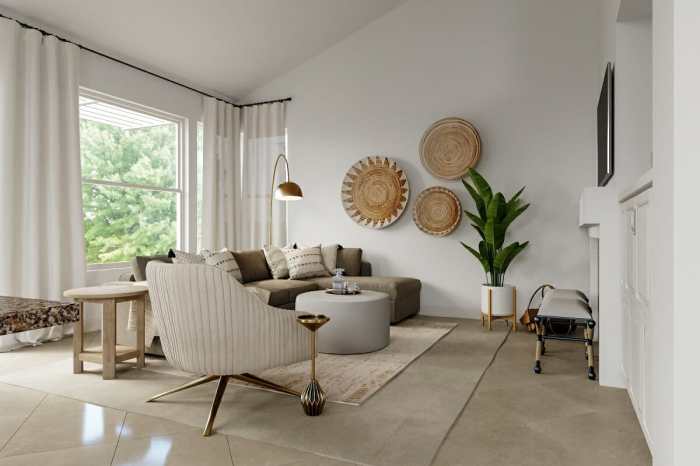
Home automation plays a crucial role in creating an eco-friendly home by optimizing energy usage and reducing waste. By integrating smart technology into various systems within a household, homeowners can effectively manage their energy consumption and minimize their environmental impact.
Reducing Energy Consumption
Home automation systems help reduce energy consumption through smart devices that regulate and monitor energy usage more efficiently. These devices can automatically adjust lighting, heating, and cooling systems based on occupancy or time of day, ensuring that energy is not wasted when not needed.
- Smart Thermostats: Devices like Nest Learning Thermostat learn your schedule and adjust the temperature accordingly, saving energy when you’re away.
- Smart Lighting: LED bulbs connected to smart hubs can be controlled remotely, dimmed, or set on schedules to reduce unnecessary energy usage.
- Smart Plugs: These plugs can turn off devices remotely when not in use, preventing standby power consumption.
Home Makeover
When it comes to giving your home an eco-friendly makeover, there are several tips and practices you can consider to ensure sustainability in your renovation or redecoration projects. One key aspect is choosing eco-friendly materials and products that have minimal impact on the environment.
Sustainable Practices for Home Renovation
- Opt for reclaimed or recycled materials to reduce waste and minimize the consumption of new resources.
- Consider energy-efficient upgrades such as LED lighting, smart thermostats, and low-flow plumbing fixtures to reduce energy and water consumption.
- Choose natural and non-toxic materials for furniture and decor to improve indoor air quality and reduce exposure to harmful chemicals.
- Donate or repurpose old furniture and decor items instead of throwing them away to reduce landfill waste.
Eco-Friendly Paint Options
- Look for paints that are labeled as low VOC (volatile organic compounds) or zero VOC to minimize harmful emissions and promote better indoor air quality.
- Consider using milk paint, which is made from natural ingredients and has a low environmental impact compared to conventional paints.
- Explore plant-based or mineral-based paints that are biodegradable and free from synthetic chemicals that can be harmful to the environment.
Home Office
Creating an eco-friendly home office is not only beneficial for the environment but also for your own well-being. By incorporating sustainable practices and materials, you can enhance productivity and overall comfort in your workspace.
Importance of Designing an Eco-Friendly Home Office Space
When designing a home office, it is important to consider the environmental impact of the materials and furniture you choose. Opting for eco-friendly options can reduce your carbon footprint and promote a healthier indoor environment.
- Choose furniture made from sustainable materials such as bamboo, reclaimed wood, or recycled plastic.
- Look for office decor items that are ethically sourced and produced without harmful chemicals.
- Consider investing in energy-efficient lighting and appliances to reduce energy consumption.
Tips for Choosing Sustainable Office Furniture and Decor
When selecting furniture and decor for your home office, prioritize sustainability and durability. Opt for pieces that are made to last and have minimal environmental impact.
- Look for furniture certified by organizations like the Forest Stewardship Council (FSC) to ensure it comes from responsibly managed forests.
- Choose non-toxic paints and finishes for your office walls and furniture to minimize indoor air pollution.
- Incorporate natural elements such as indoor plants and organic textiles to add warmth and eco-friendliness to your workspace.
Natural Light and Indoor Plants in Enhancing a Home Office Environment
Natural light and indoor plants can significantly improve the ambiance and air quality of your home office. By harnessing these elements, you can create a more inviting and productive workspace.
- Position your desk near a window to maximize natural light exposure and reduce the need for artificial lighting during the day.
- Integrate indoor plants such as peace lilies, spider plants, or succulents to purify the air and add a touch of greenery to your office space.
- Consider installing window treatments like sheer curtains or blinds to control glare and maintain a comfortable work environment throughout the day.
Home Office Furniture
When it comes to setting up a home office, choosing eco-friendly furniture is not only beneficial for the environment but also for your health and productivity. Eco-friendly materials in home office furniture help reduce indoor air pollution and promote a healthier workspace.
Investing in sustainable furniture brands for your home office is a great way to support environmentally conscious practices. These brands prioritize using recycled materials, non-toxic finishes, and sustainable sourcing methods to create stylish and functional furniture pieces.
Significance of Eco-Friendly Materials
- Opt for furniture made from reclaimed wood or bamboo, which are renewable resources and reduce the need for new materials.
- Choose office chairs and desks that are certified by organizations like FSC (Forest Stewardship Council) for sustainable sourcing.
- Look for furniture with low-VOC (Volatile Organic Compounds) finishes to minimize off-gassing and maintain indoor air quality.
Examples of Sustainable Furniture Brands
| Brand | Focus |
|---|---|
| Emeco | Recycled aluminum chairs |
| Herman Miller | Ergonomic office chairs with sustainable design |
| Urban Wood Goods | Reclaimed wood desks and shelving |
Tips for Selecting Ergonomic and Environmentally Friendly Office Furniture
- Consider adjustable desks and chairs to promote good posture and reduce strain on your body.
- Choose furniture with ergonomic design features such as lumbar support and adjustable armrests for comfort during long work hours.
- Research materials used in the furniture to ensure they are sustainable and free from harmful chemicals.
In conclusion, Eco-Friendly Home Accents for Interiors offer a glimpse into a future where style meets sustainability. By incorporating these elements into your living spaces, you not only elevate your home’s design but also make a positive impact on the environment. Embrace eco-friendly home accents and transform your interiors into a sanctuary of beauty and sustainability.
FAQ Summary
What are some examples of sustainable materials used in eco-friendly home accents?
Common sustainable materials include bamboo, reclaimed wood, recycled glass, and organic cotton.
How can home automation contribute to creating an eco-friendly home?
Home automation systems can help regulate energy usage by optimizing lighting, heating, and cooling, leading to reduced energy consumption.
Why is designing an eco-friendly home office space important?
Creating an eco-friendly home office promotes a healthier work environment, reduces carbon footprint, and contributes to sustainable living practices.


